



Bringing a new baby home is one of the most joyful experiences a parent can have. It’s also, if we’re honest, one of the most nerve-wracking. Somewhere between packing the diaper bag and installing the car seat, most new parents ask themselves the same question: what would I do in an emergency?
At Pathways PRC, we believe that confidence comes from preparation. That’s why we offer free infant CPR classes in Durango, Colorado. Knowing how to respond in those first critical moments can be the difference between panic and action, and in the most serious cases, between life and loss.
In this post, we’ll walk through why infant CPR matters, how it differs from CPR for older children and adults, what the process actually looks like, and how you can sign up for one of our free classes.
Why Infant CPR Is Different From Adult CPR
Many parents assume that all CPR is the same. If they’ve taken a class years ago for a workplace certification, they must know what to do if their baby stops breathing or their heart stops. Unfortunately, that’s not the case.
Infants have smaller airways, more fragile ribs, and different breathing and heart rate patterns than adults or even older children. The compression depth, hand placement, and rescue breathing techniques used in infant CPR are all specifically adapted for a baby’s body. Using adult CPR techniques on an infant can actually cause injury without providing the intended benefit.
This is exactly why infant CPR classes exist as their own specialized training. Learning how to perform CPR on an infant isn’t just a variation on a theme. It’s a distinct skill set every parent, grandparent, babysitter, and caregiver should have in their back pocket.
Which Technique Is Recommended for Infant CPR?
For infants under one year old, the American Heart Association recommends the two-finger technique for chest compressions. Here’s a general overview of what that looks like (please note: this is educational information only, and hands-on practice in a certified class is the best way to build real confidence and skill):
- Check for responsiveness. Tap the baby’s foot and call out to them. Do not shake an infant.
- Call for help. If you’re alone, perform two minutes of CPR before calling 911. If someone else is present, have them call 911 immediately while you begin CPR.
- Position the infant. Lay the baby on a firm, flat surface, face up.
- Locate the correct hand position. Place two fingers on the center of the baby’s chest, just below the nipple line.
- Begin compressions. Push down about 1.5 inches at a rate of 100 to 120 compressions per minute, roughly the tempo of the beat of a fast pop song.
- Give rescue breaths. After 30 compressions, tilt the head back gently, seal your mouth over the baby’s mouth and nose, and give two small breaths, watching for the chest to rise.
- Continue the cycle of 30 compressions and two breaths until help arrives or the baby starts breathing on their own.
Again, reading about the technique is a great starting point, but muscle memory matters in an emergency. That’s what our hands-on infant CPR classes are designed to build.
When to Start CPR on an Infant
One of the most common questions we hear is: how do I know when to start CPR on an infant? The answer is straightforward, even if the moment itself is anything but.
You should begin infant CPR immediately if a baby is:
- Unresponsive — not reacting to sound, touch, or gentle stimulation
- Not breathing, or only gasping — sometimes described as “agonal” breathing, which is not effective breathing
- Without a detectable pulse, or you’re unsure whether a pulse is present
If you find a baby unresponsive, the guidance is simple: don’t wait. Every second without oxygen matters, and starting compressions — even imperfect ones — is far better than hesitating. This is one of the biggest fears new parents share with us: the fear of “doing it wrong.”
Our classes are built to remove that fear by giving you real, hands-on practice before you’re ever in a high-stress situation.
Common Situations Where Infant CPR Knowledge Matters
While cardiac arrest in infants is thankfully rare, there are several everyday scenarios where CPR knowledge and basic emergency response skills come into play, including:
- Choking on food, small objects, or liquid
- Suffocation, including accidental suffocation during sleep
- Drowning, even in small amounts of water like a bathtub
- Falls or accidents that lead to unresponsiveness
- Sudden Infant Death Syndrome (SIDS) related emergencies
Knowing how to recognize the difference between choking and a full cardiac emergency (and how to respond appropriately) gives caregivers the tools to act quickly and appropriately no matter what the situation calls for.
How Soon Should You Take an Infant CPR Class?
If you’re currently pregnant or have a baby at home, the best time to take an infant CPR class is now. Ideally, expecting parents complete their training before their baby arrives, so that the moment they bring their newborn home, they already feel equipped and confident.
That said, it’s never too late to learn. Whether your baby is two weeks old or two years old, infant CPR training is valuable at any stage. Many parents also choose to retake a class as a refresher every year or two, since skills and confidence can fade over time without practice.
Note: We also provide free birthing classes for expectant mothers. You are welcome to join as many classes as you need to feel prepared for the arrival of your baby.
What to Expect From Our Free Infant CPR Classes
We know that walking into a class on a topic this serious can feel intimidating. That’s why our infant CPR classes at Pathways PRC are designed to be supportive, judgment-free, and genuinely encouraging.
Here’s what you can expect when you join us:
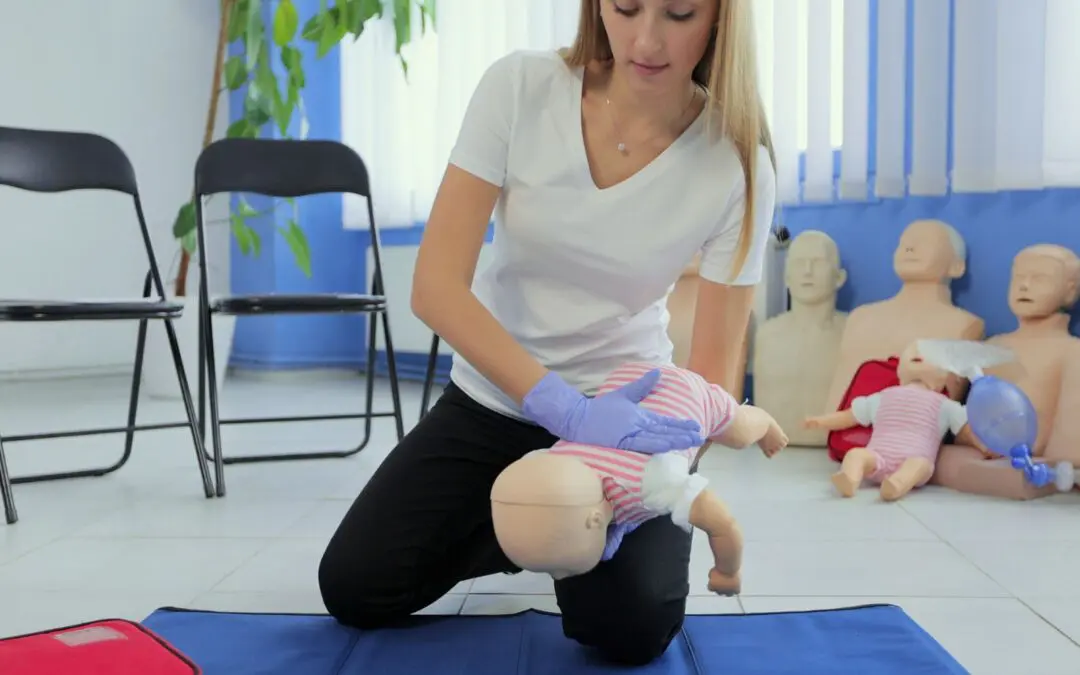
- Hands-on practice using infant CPR training manikins, so you can build real muscle memory, not just watch a video
- Clear, step-by-step instruction from trained facilitators who are happy to answer questions
- A relaxed, welcoming environment where new and expecting parents can learn alongside one another
- Practical guidance on recognizing emergencies, including choking response for infants
- No cost, no pressure — our classes are entirely free as part of our mission to support families in our community
Our infant CPR classes are just one part of the free parenting and birth-readiness education we offer at Pathways PRC. We also provide free pregnancy testing, options education, material support, and other classes designed to help you feel prepared for every stage of your journey — because informed, confident parents build stronger, healthier families.
You Don’t Have to Feel Unprepared
Becoming a parent comes with a long list of unknowns, but how to respond in an emergency doesn’t have to be one of them. Infant CPR is a skill you can learn, practice, and carry with you for the rest of your life. It’s one of the most meaningful things you can do to protect the baby you love.
If you live in or around Durango, Colorado, we’d love to have you join us for a free infant CPR class at Pathways PRC. No experience is necessary, there’s no cost to attend, and every question is welcome.
Ready to sign up or learn more? Call us today at 970-247-5559 or visit our class calendar to find an upcoming infant CPR class near you.
Frequently Asked Questions
Do I need any prior experience to take an infant CPR class?
Not at all. Our infant CPR classes at Pathways PRC are designed for complete beginners as well as caregivers who want a refresher. Our facilitators walk you through everything step by step, so you can learn at your own pace in a supportive, judgment-free setting.
How long does an infant CPR class take, and is it really free?
Our classes typically last 2 hours and are designed to fit into a busy schedule while still providing enough hands-on practice time to help the skills truly stick.
Yes, our infant CPR classes are completely free as part of our commitment to supporting families in Durango, Colorado.
Is infant CPR different from CPR for toddlers, older children, or adults?
Yes. Infants require different hand placement, compression depth, and rescue breathing techniques than older children and adults because of their smaller size and more fragile bodies. Our class focuses specifically on infant CPR so you learn the technique that’s actually appropriate for a baby under one year old.